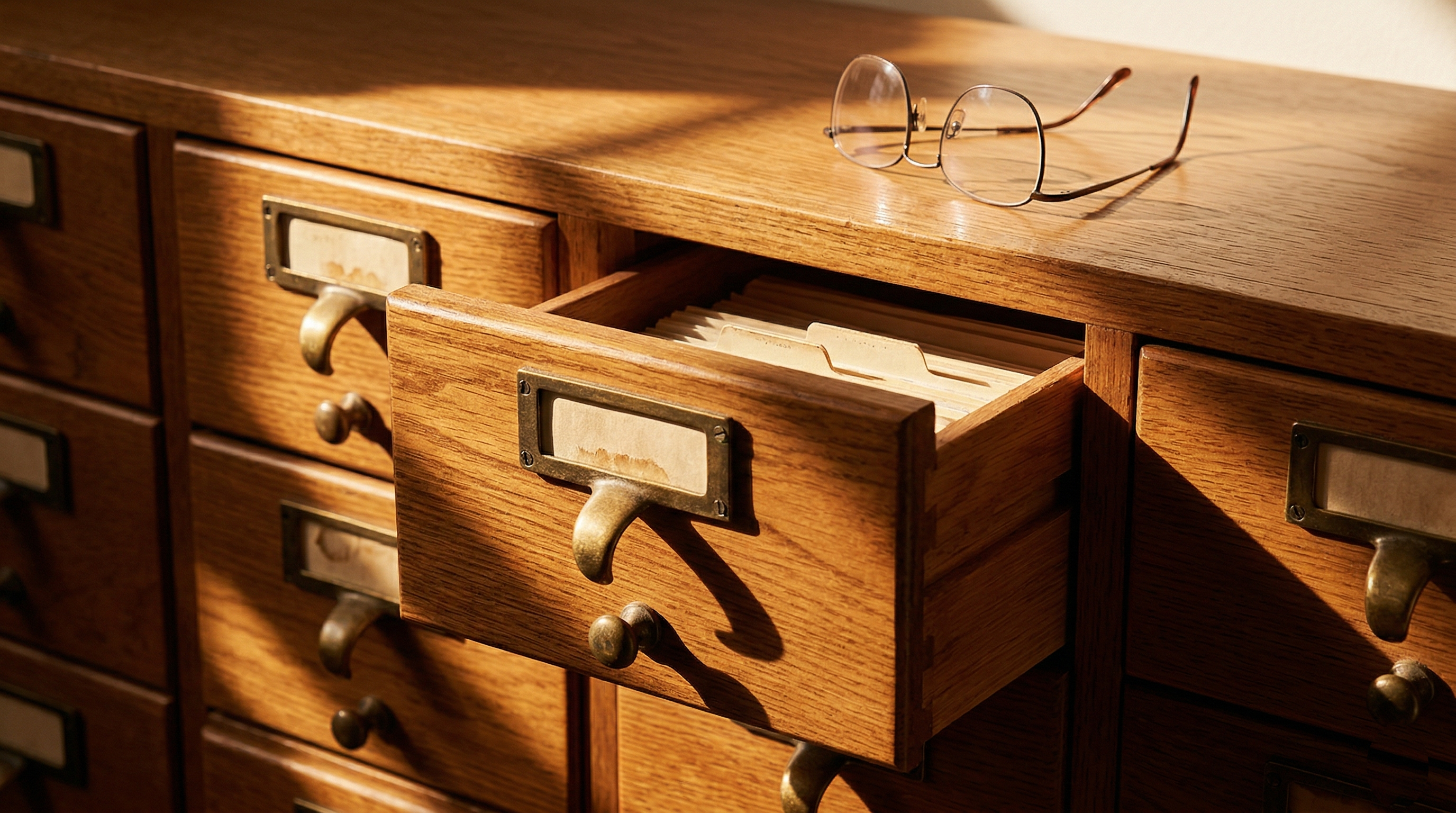
Have you ever walked into a room and completely forgotten why you went in there? Or struggled to recall a word that was right on the tip of your tongue? You're not alone — and you're not losing it. Memory naturally changes as we age, but here's the good news: something as simple and enjoyable as a word search puzzle can help you fight back.
I'm Hazel Woods, and I've been creating puzzle books for years. One of the most frequent things readers tell me is that they feel sharper after making word search puzzles a regular habit. That's not just a feel-good anecdote. There's real science behind word search memory improvement — and once you understand how it works, you'll never look at a puzzle grid the same way again.
The Science Behind Word Search and Memory
When you scan a word search grid, your brain is doing far more than simply looking at letters. It's engaging multiple cognitive systems simultaneously — visual processing, pattern recognition, working memory, and language retrieval. That's a serious mental workout packed into what feels like a relaxing activity.
Research from institutions like the University of Exeter has found that adults who regularly engage in word puzzles tend to perform better on tasks measuring attention, reasoning, and short-term memory. The key mechanism? When you search for a specific word among a sea of random letters, your brain must hold that target word in working memory while scanning, filtering, and comparing visual information. That's essentially a repetition exercise for the neural pathways responsible for recall.
Working memory — the kind you use to remember a phone number long enough to dial it, or to hold a grocery list in your head — is one of the first cognitive functions to show age-related decline. But it's also highly trainable. The more you practice tasks that challenge working memory, the stronger those connections become. Word search puzzles are one of the most accessible and enjoyable ways to do exactly that.
If you're curious about the broader cognitive picture, I wrote a deeper piece on whether word search puzzles are actually good for your brain. It covers the research in more detail.
How Word Search Puzzles Strengthen Different Types of Memory
Not all memory is the same, and word search puzzles engage several types at once. Understanding this helps explain why the benefits feel so noticeable over time.
Working memory is activated every time you hold a target word in mind while visually scanning the grid. Each puzzle requires you to do this dozens of times. In my book Stay Focused! Mindfulness Word Search — which features 100 puzzles with 24 words per puzzle on 20x20 grids — that's 2,400 individual recall-and-search exercises in a single paperback. That's a lot of reps for your brain.
Semantic memory — your stored knowledge of words and their meanings — gets a workout too, especially with themed puzzles. When you solve a puzzle themed around autumn vocabulary, for instance, your brain doesn't just recognize the word "harvest." It activates an entire network of related concepts: falling leaves, cool air, pumpkin patches, cozy evenings. This is called spreading activation, and it's one of the mechanisms that keeps your semantic memory networks healthy and accessible.
That's one reason I love themed books like Brilliant British Autumn Word Search. Its 100 puzzles are built around a rich seasonal theme, so every grid activates a whole web of related memories and associations. It's $9.99 in paperback and a genuinely lovely way to keep your mind engaged during the cooler months.
Visual-spatial memory is the third piece. Remembering where you've already looked in a grid, tracking which words you've found, and mentally mapping the letter patterns — all of this exercises the part of your brain responsible for spatial orientation and visual recall.
One thing I've noticed over the years is that readers who stick with puzzles regularly often report improvements not just in puzzle-solving, but in everyday tasks — remembering names, finding misplaced items, following conversations more easily. That's the spillover effect of consistent cognitive exercise.
Why Themed Puzzles Offer an Extra Memory Boost
I could fill a book with generic, randomly generated word searches. But I don't, and here's why: themed puzzles are significantly better for your memory.
When words in a puzzle are connected by a shared theme, your brain processes them differently than it would a random assortment. Instead of treating each word as an isolated unit, your mind naturally groups them into categories and builds associations. This process — called elaborative encoding — creates stronger, more retrievable memory traces.
Think about it this way. If I give you a random list of 24 unrelated words to memorize, you'll struggle. But if I tell you they're all related to the Bible — grace, covenant, shepherd, psalm — you'll find it much easier because your brain can anchor them to existing knowledge. That's exactly what happens when you solve a themed word search.
God's Guiding Words! Bible Word Search is a perfect example. Each of its 100 puzzles (24 words per puzzle, 20x20 grid, $9.99 paperback) draws from scripture and faith-based vocabulary. For readers who are already familiar with biblical themes, solving these puzzles reinforces and strengthens existing memory networks. For those less familiar, it builds entirely new ones. Either way, it's a more effective memory exercise than a random word list could ever be.
I wrote more about why theme matters so much in my article on themed vs. random word search puzzles. If you're choosing puzzles specifically for cognitive benefit, that piece is worth a read.
Building a Word Search Habit That Actually Sticks
Knowing that word search puzzles support memory is one thing. Actually building a consistent practice is another. And consistency is what matters most — just like physical exercise, the brain benefits come from regular engagement, not one marathon session.
Here's what I always tell my readers: start small and make it enjoyable. You don't need to solve ten puzzles a day. Even one puzzle, done mindfully and without distractions, can activate those memory pathways. The key is doing it regularly — ideally daily, but even three to four times a week makes a measurable difference.
I recommend picking a specific time and place. Morning coffee. The quiet half-hour before bed. A park bench on your lunch break. Pairing puzzles with an existing habit makes it far easier to stick with them.
And please — put the phone down while you do it. Part of the memory benefit comes from sustained, focused attention. If you're solving a puzzle with one eye on your notifications, you're undermining the very cognitive exercise you're trying to do. Screen-free puzzle time is genuinely one of the best things you can do for your brain. I talk more about the stress-relief benefits of unplugging from screens in a separate article, and it pairs perfectly with this topic.
Another tip: vary your difficulty level and themes. Your brain adapts to repeated stimuli, so mixing things up keeps the challenge fresh. Alternate between larger 25x25 grids and smaller 20x20 ones. Switch between seasonal themes, historical themes, and wellness-focused themes. Novelty is a powerful driver of neuroplasticity — the brain's ability to form new connections.
Word Search Memory Improvement at Every Age
I want to be clear about something: word search memory improvement isn't just for seniors, though the benefits are especially meaningful for older adults. People in their 40s, 50s, 60s, and beyond can all benefit from regular puzzle-solving.
In your 40s and 50s, cognitive maintenance is the goal. You're building reserves that will serve you well in the decades ahead. Think of it as a retirement fund for your brain.
In your 60s and 70s, the evidence becomes even more compelling. A large-scale study published by the University of Exeter and King's College London found that older adults who regularly engaged in word puzzles had brain function equivalent to people ten years younger on certain cognitive tests. Ten years. That's not a marginal difference — that's transformative.
And the beauty of word search puzzles is that they meet you wherever you are. Feeling sharp? Tackle a dense 25x25 grid. Having a low-energy day? A simpler 20x20 puzzle still provides benefit without frustration. There's no failure state. Every puzzle completed is a win for your brain.
Frequently Asked Questions
Can word search puzzles really improve memory?
Yes. Word search puzzles engage working memory, semantic memory, and visual-spatial memory simultaneously. Research from institutions like the University of Exeter suggests that regular word puzzle engagement is associated with better cognitive function, including improved short-term memory and faster information processing. The benefits increase with consistency — solving puzzles regularly produces stronger results than occasional use.
How often should I do word search puzzles for memory benefits?
For meaningful word search memory improvement, aim for at least 15-20 minutes of puzzle-solving most days. Daily practice is ideal, but even three to four sessions per week can help maintain and strengthen cognitive function. The most important factor is consistency over time rather than the length of any single session.
Are word search puzzles better for memory than crosswords?
Both puzzle types benefit memory, but they target slightly different skills. Word search puzzles emphasize visual scanning, pattern recognition, and sustained attention, while crosswords focus more on vocabulary retrieval and problem-solving. For overall cognitive health, incorporating both types is ideal. Word search puzzles have the advantage of being more accessible — they don't require specialized knowledge, so it's easier to maintain a consistent daily habit.
If you've made it this far, you clearly care about keeping your mind sharp — and I think that's wonderful. Word search memory improvement isn't a magic cure, but it is one of the most pleasant, affordable, and evidence-backed things you can do for your brain. A puzzle book, a cup of tea, and twenty minutes of focused attention. That's really all it takes.
I'd love to help you get started. Head over to yourdreampress.com/bonus/ to grab some free printable word search puzzles — no strings attached. Try them for a week and see how you feel. I have a hunch you'll notice a difference.
Happy puzzling, — Hazel 🧩
Enjoy puzzles? Get 80 free ones.
Join the Hazel Woods email list for free printable word search puzzles, new book announcements, and exclusive giveaways.
Claim Free Puzzles